02022-07-06 | Lx, Photos
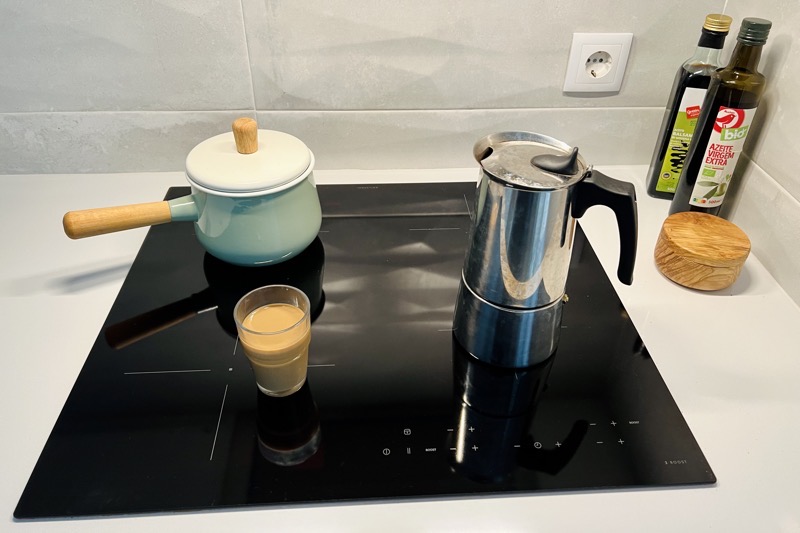
One of the first items I aquired for the flat in Lx was a Moka pot. While I love the original Moka pot design, I don’t like heating water in aluminum and besides, an aluminum pot wouldn’t work with this induction stove. Instead I found this stainless steel version at El Corte Ingles.
The original Moka pot was invented by the Italian engineer Alfonso Bialetti in 1933. Some call it a stovetop espresso maker although the pressure never comes close to that of an espresso machine – it creates 1-2 bar of pressure as opposed to 9 bar of a machine. (Wikipedia Link)
I wondered why it’s called a Moka pot and discovered its connection to a city in Yemen.
Wikipedia has the knowledge:
Mocha was the major marketplace for coffee (Coffea arabica) from the 15th century until the early 18th century. Even after other sources of coffee were found, Mocha beans (also called Sanani or Mocha Sanani beans, meaning from Sana’a) continued to be prized for their distinctive flavor—and remain so even today. The coffee itself did not grow in Mocha, but was transported from places inland to the port in Mocha, where it was shipped abroad. Mocha’s coffee legacy is reflected in the name of the mocha latte and the Moka pot coffee maker. In Germany, traditional Turkish coffee is known as Mokka.
02022-07-06 | Language, Portugal
I learned new words today: one of them is Lusophone (Wikipedia Link)
Lusophones (Portuguese: Lusófonos) are peoples and nations that that recognize Portuguese as an official language, comprising an estimated 270 million people spread across 10 sovereign states and territories. This area, known as Lusofonia or the Lusophone world (Mundo Lusófono), is the corresponding community of Lusophone nations which exist in Europe, the Americas, Africa, Asia, and Oceania.
and
The term Lusophone is a classical compound, wherein the combining form “Luso-” derives from the Latin term for an area roughly corresponding to modern Portugal, called Lusitania. The suffix “-phone” derives from the Ancient Greek word φωνή (phōnē), meaning “voice”. The use of the term Lusophone mirrors similar terms such as Anglophone for English speakers, Francophone for French speakers, Hispanophone for Spanish speakers, and Sinophone for Chinese speakers. The term is sometimes used in reference to the Community of Portuguese Language Countries, similarly to the Francophonie.
Ah, another new word: Lusitania, the name of the Roman Province that eventually became Portugal. (Wikipedia Link)
I read the word Lusophone in today’s Monocle Minute Newsletter
President de Sousa’s whistle-stop trip marked the 100th anniversary of the first aerial crossing of the South Atlantic from Lisbon to Rio de Janeiro – and 200 years since Brazil’s independence from Portugal. That flight was crucial in strengthening the relationship between the two Lusophone nations. To honour the connection, his schedule included meetings with former Brazilian presidents including Lula da Silva, Michel Temer and Fernando Henrique Cardoso, as well as a planned stop in Brasília to sit down with current Brazilian president Jair Bolsonaro that never came to pass. Instead of successful diplomacy, the headlines were dominated by Bolsonaro’s decision to cancel the lunch after he discovered that De Sousa also planned to meet with Lula, his main opposition in October’s elections.
Portugal’s president De Sousa gave the world a lesson in how to deal with a bully. The newsletter continues:
Bolsonaro’s move backfired. Not only did De Sousa’s meetings with former leaders go ahead regardless but Portugal’s president pressed on with his schedule, seemingly indifferent to the changes. It was an attitude received favourably by the press: Folha de São Paulo, for example, ran an opinion piece describing Bolsonaro’s decision as “diplomatic vandalism”. In diplomacy it seems that any publicity is better than none. When he first heard about the cancellation, De Sousa politely told reporters, “Whoever invites you to lunch is the one who decides whether to have lunch or not.” If anything, the success of his trip proves that etiquette and common decency still go a long way in diplomatic circles.
02022-07-05 | Photos, Portugal, Travel
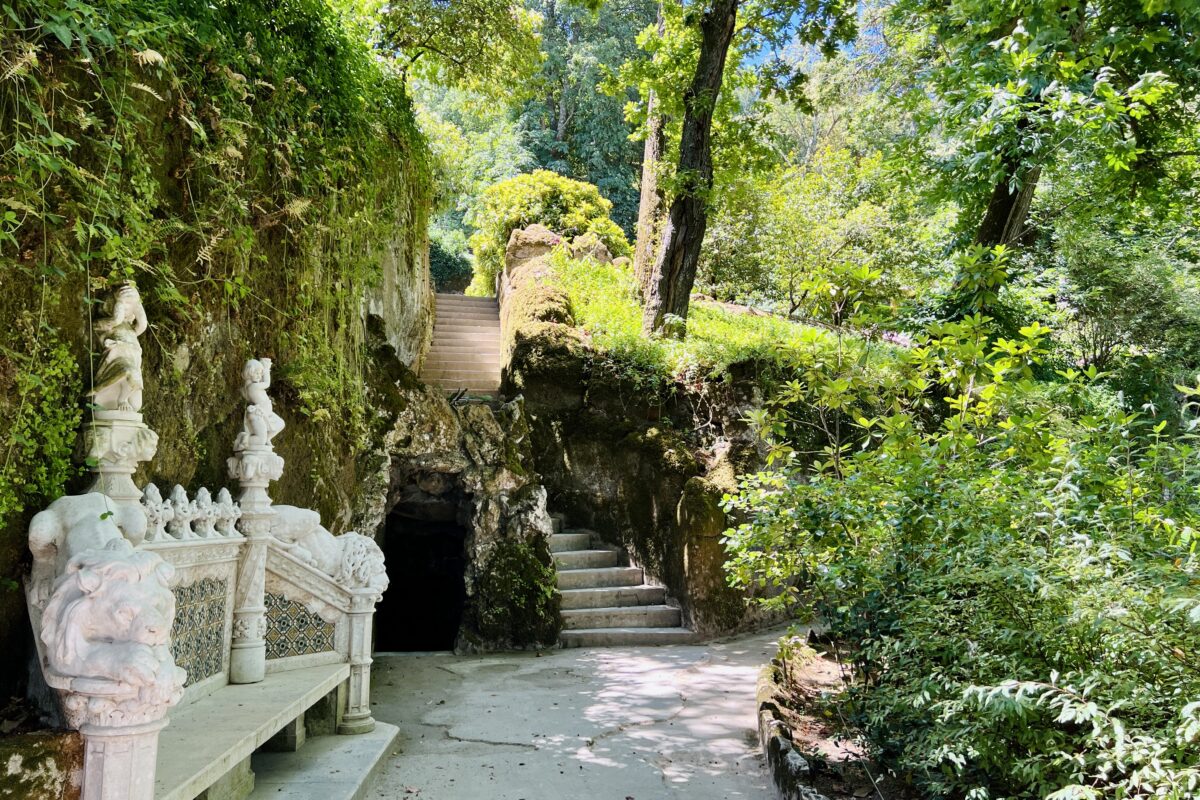
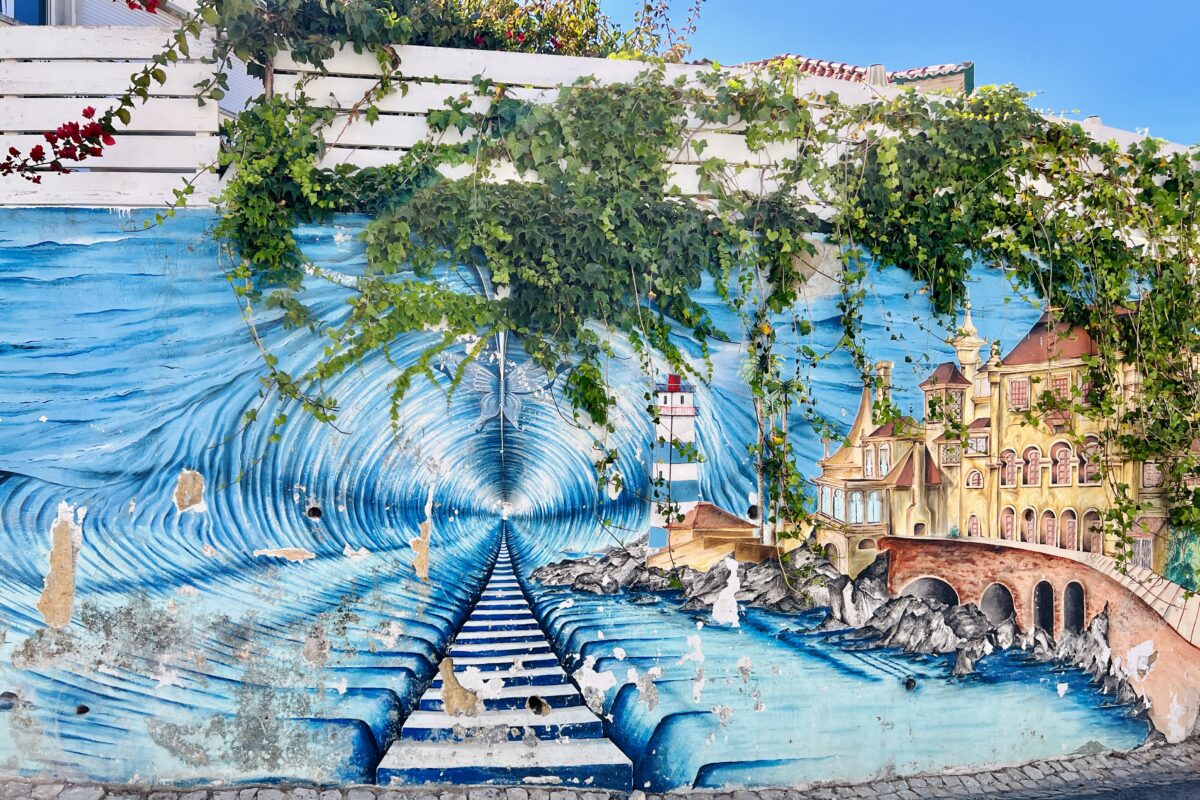
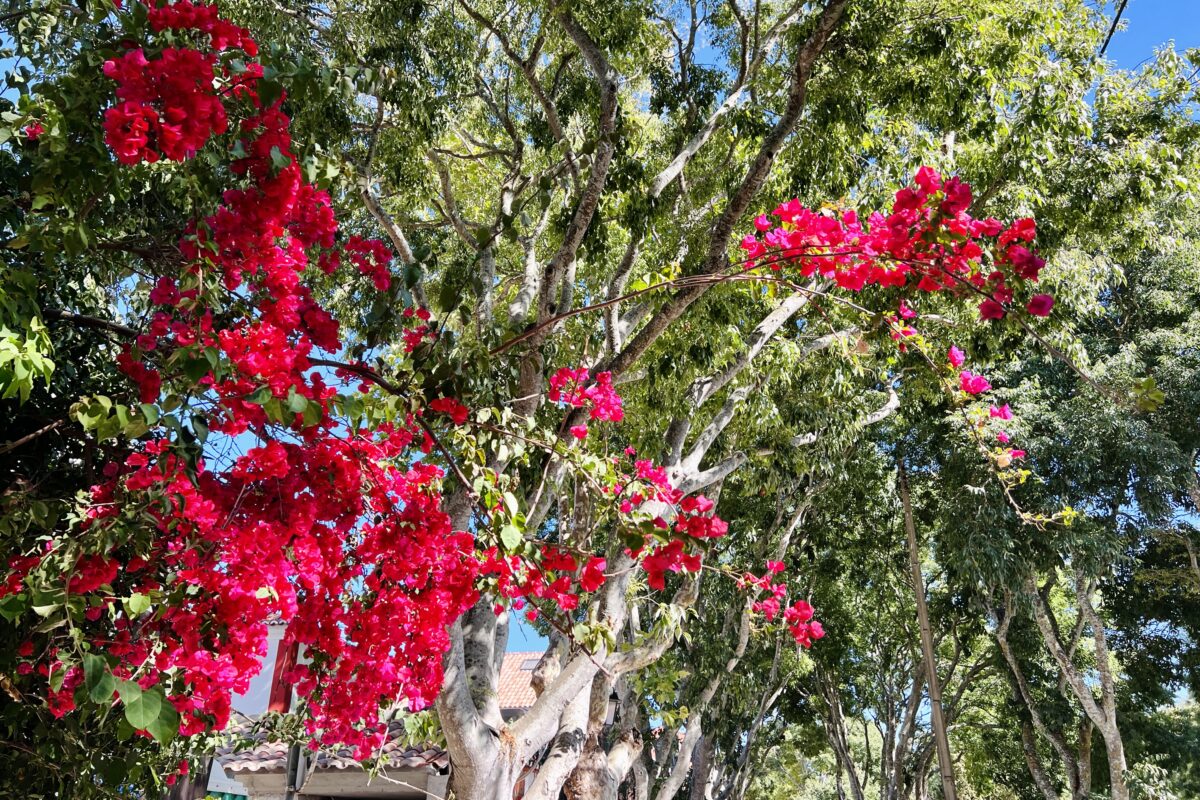
a few photos from a recent day trip to Sintra and Cascais
02022-07-04 | Uncategorized
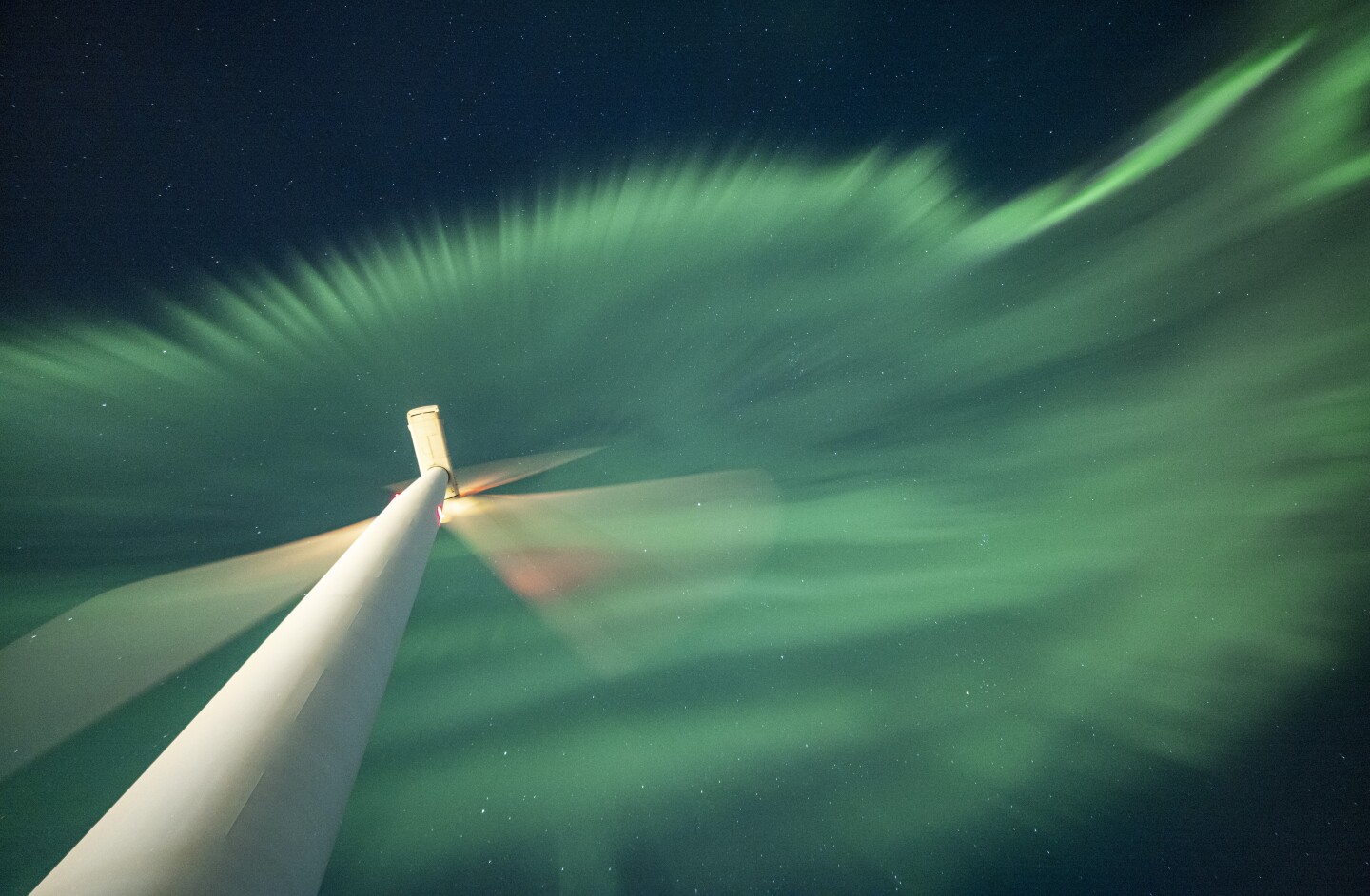
Photo of an aurora behind a wind turbine by Esa Pekka Isomurso, from the post The 2022 Astronomy Photographer of the Year shortlist is out of this world by New Atlas.
(((click on the photo to go to the gallery of amazing photos)))
02022-07-04 | Guitar, Photos, Video
This is Matt’s own experiment, combining a still image with a video of water. He used a photo he took of me a few years ago and video of rain on glass. Very cool.
GIF version: